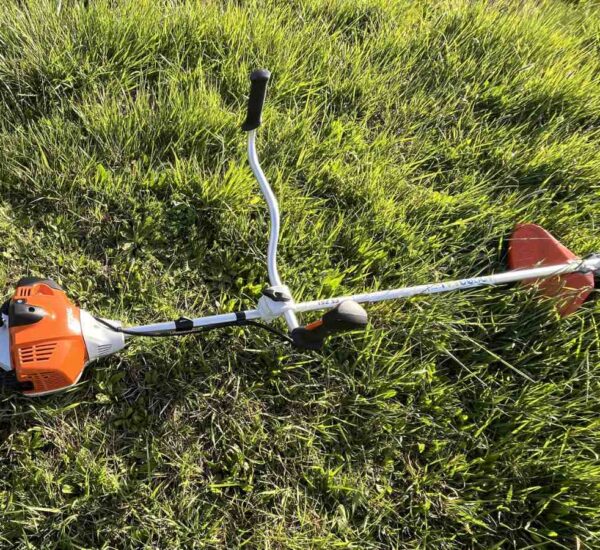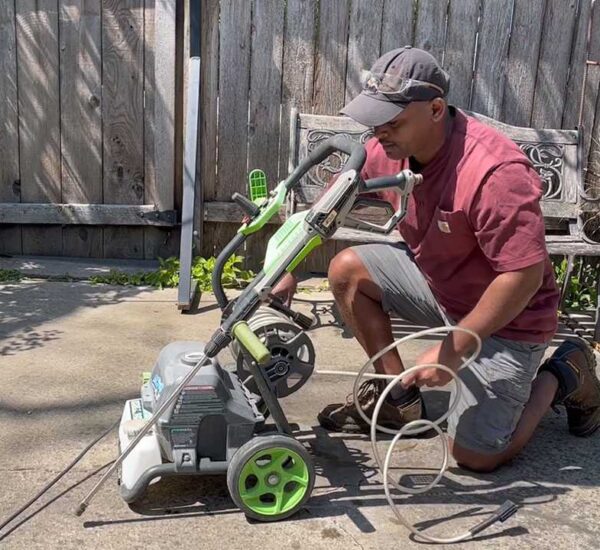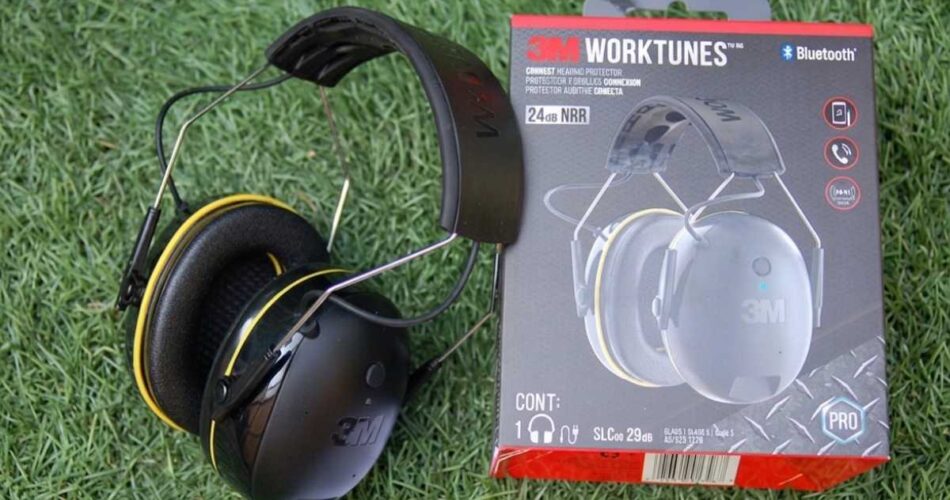
The roar of a gas powered trimmer or the high pitched whine of a leaf blower is the standard soundtrack to my workday. Over time, that constant noise isn’t just annoying; it is genuinely dangerous for your hearing. To stay protected while keeping the day productive, I spent a long time using the 3M WorkTunes Connect. This headset is often the first choice for anyone looking to combine OSHA grade hearing protection with Bluetooth entertainment. However, after months of heavy field use in the dirt and the sun, I realized that being a household name doesn’t always guarantee professional grade durability.
My journey with these began with high expectations. I wanted a reliable way to listen to my favorite podcasts and music without sacrificing safety. While these earmuffs initially felt like a vital part of my gear bag, a series of design failures eventually made them unusable. For anyone working in landscaping, property maintenance, or heavy DIY, my experience might help you decide if these are actually built for your environment.
The Initial Appeal: Wireless Freedom on the Job
The biggest selling point for the WorkTunes Connect is the wireless design. In the past, I struggled with traditional headphone cords snagging on low hanging branches or getting tangled in the controls of my equipment. Moving to a Bluetooth system felt like a massive upgrade in both safety and convenience.
Setting them up is a breeze. I never had much trouble getting them to sync with my phone or my iPad. Once connected, the range is impressive. I could leave my phone on the tailgate of my truck and move around the yard without the audio cutting out or stuttering. The sound quality is clear enough for spoken word, which is my primary use case. While they won’t win any awards from audiophiles, for a piece of safety equipment, the audio gets the job done.
Check other alternatives on Amazon
The Fatal Flaw: The Exposed Charging Port
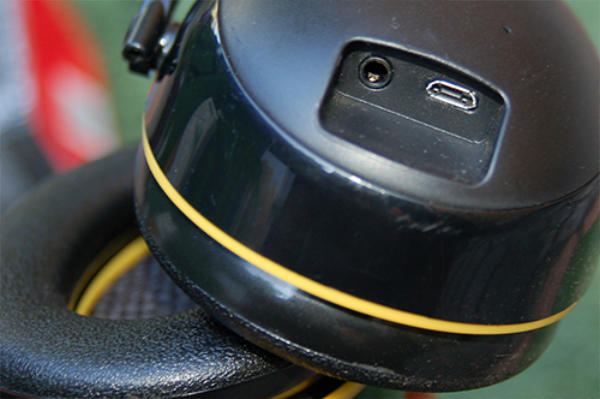
The most significant issue I encountered, and the one that ultimately ended the life of this headset, involves the charging port. Most of my work involves weed eating and general property maintenance. These tasks naturally create a cloud of dust, grass clippings, and fine organic debris that gets into every crevice of your gear.
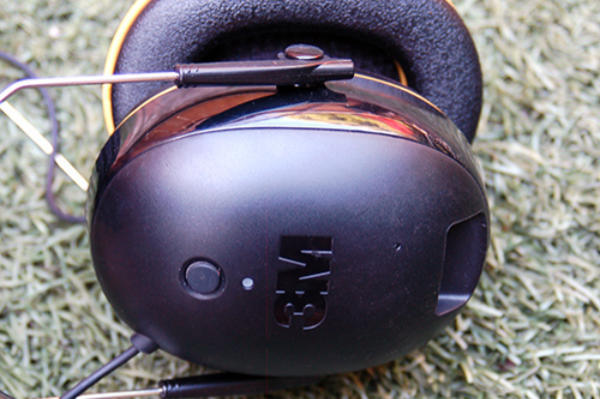
The charging port on the 3M WorkTunes Connect is located on the bottom of the ear cup and is completely exposed. There is no rubber flap, no sliding door, and no protective cover. Over time, the port on my unit became a magnet for debris. I found myself constantly trying to pick out dirt and grass just to get the charging cable to seat properly. Eventually, the grit caused the internal pins to bend or fail. Once the port broke, there was no way to power the Bluetooth features, turning these into basic, non electronic earmuffs. It is a frustrating design oversight for a product meant for work environments. A simple silicone plug would have prevented this entire failure.
Structural Weaknesses: When the Arms Snap
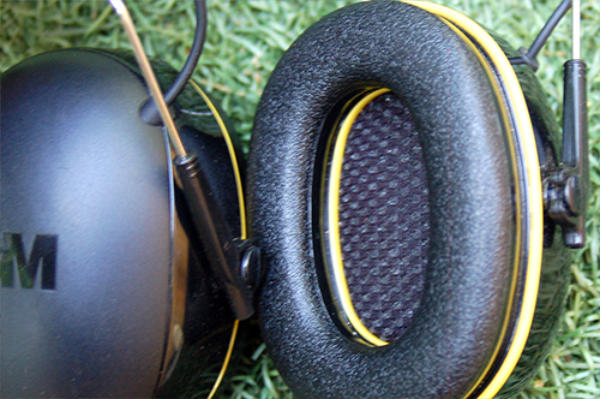
Beyond the electronics, the physical build of the headset struggled to keep up with my workload. The adjustable guide arms are the metal and plastic components that allow the ear cups to slide up and down to fit your head. These are under constant tension, and in my case, that tension was too much for the materials.
One of the guide arms snapped entirely during a routine adjustment. I didn’t want to throw them away immediately, so I resorted to a field repair with heavy duty tape. While the tape held the unit together, it shouldn’t be a requirement for a product from a brand like 3M. It felt like the plastic became brittle after being exposed to the sun and the constant vibrations of my power tools.
The Struggle with Constant Adjustments
Even before the arm snapped, the adjustment mechanism was a source of daily annoyance. The size adjustments simply do not stay in place. A good pair of earmuffs should allow you to set your size and forget about it. With the WorkTunes, the ear cups would slowly slide down or lose their position throughout the day.
I found myself stopping my work every few minutes to pull the earmuffs back up or tighten the fit. When you are in the middle of a long stretch of landscaping, the last thing you want is gear that requires constant attention. This lack of a locking mechanism is a major flaw for anyone who is moving their head around or looking down while they work.
Check other alternatives on Amazon
Exposed Wiring and Audio Failure
If the charging port and the broken arm weren’t enough, the wiring eventually gave out. There is a black wire that runs along the side of the headband, connecting the two ear pieces. Because I was constantly sliding the ear cups up and down to fix the fit issues, that wire was subject to a lot of friction.
The outer casing eventually wore through, exposing the copper underneath. Not long after that, the sound in one of the ear pieces cut out completely. Once you lose half your audio, the experience of listening to music becomes more of a distraction than a benefit. Between the wire failure and the broken charging port, the unit was essentially finished.
Comfort and Long Term Wear
Initially, the ear pads were soft and provided a good seal. However, the material covering the pads is quite thin. After being exposed to sweat, dirt, and UV rays, the “leatherette” material began to crack and flake off.
When the ear pads degrade, you lose that vital acoustic seal. You start hearing more of the engine and less of your audio, which defeats the purpose of wearing hearing protection. For a casual user who only mows a small lawn once a week, these might last a few years. But for someone using them professionally, the lifespan is disappointingly short.
Understanding the “Safe Volume” Limit
One detail potential buyers should know is that these have a built-in volume limiter. They are capped at 82 decibels to comply with safety standards. Many users complain that these are not loud enough, but this is a deliberate safety feature. It is designed to protect your ears from the music just as much as the mower.
In my experience, the passive noise cancellation is good enough that you don’t actually need the music to be any louder. If you find yourself wanting more volume, it usually means your ear pads are worn out and letting too much outside noise in.
My Full Video Review and Demo
I put together a video to show these issues in person, including how I had to tape mine together just to finish the season. You can see the wear and tear for yourself and hear more about the technical specs in the video below.
Final Verdict: Is it Worth the Investment?
I really wanted to love the 3M WorkTunes Connect. The concept is fantastic, and when they are brand new, they work like a charm. However, for anyone doing serious outdoor work, the design flaws are hard to overlook. The lack of a charging port cover is a dealbreaker in dusty environments, and the structural weaknesses in the guide arms make them feel less like a tool and more like a hobbyist accessory.
If you are a woodworker working in a clean garage, these will likely serve you well. But for those out in the dirt, the heat, and the sun, you might want to look for something more rugged. I ended up tossing mine because they simply could not keep up with the demands of the job.
Quick Summary
- The Good: Seamless Bluetooth pairing, 40 hour battery life, and decent initial comfort.
- The Bad: Exposed charging port, brittle plastic arms, and sliding adjustments that won’t stay put.
- The Bottom Line: Great for light DIY, but lacks the durability for professional landscaping.
Conclusion
At the end of the day, your hearing is worth the investment. While 3M is a trusted name, this specific model feels like it was designed for a workshop rather than a job site. I hope this review helps you choose the right protection for your specific needs. Stay safe out there and keep the gear running.