When I first started my business, the Stihl FS 200 was my go-to workhorse. It was affordable and powerful. Once I got used to its quirks, it handled everything I threw at it for several years. However, as my business grew, so did the demands of my clients. I found myself needing more than just raw power. I needed absolute reliability and a machine that would not leave my hands numb after an eight-hour day.
Upgrading to the Stihl FS 251 was a strategic move for my company. While the FS 200 served its purpose during the startup phase, the FS 251 provides the refined torque and modern ergonomics required to keep a growing crew efficient. In the chart below, you can see how the technical specs have evolved from the classic FS 200 through the FS 240 to the modern 251.
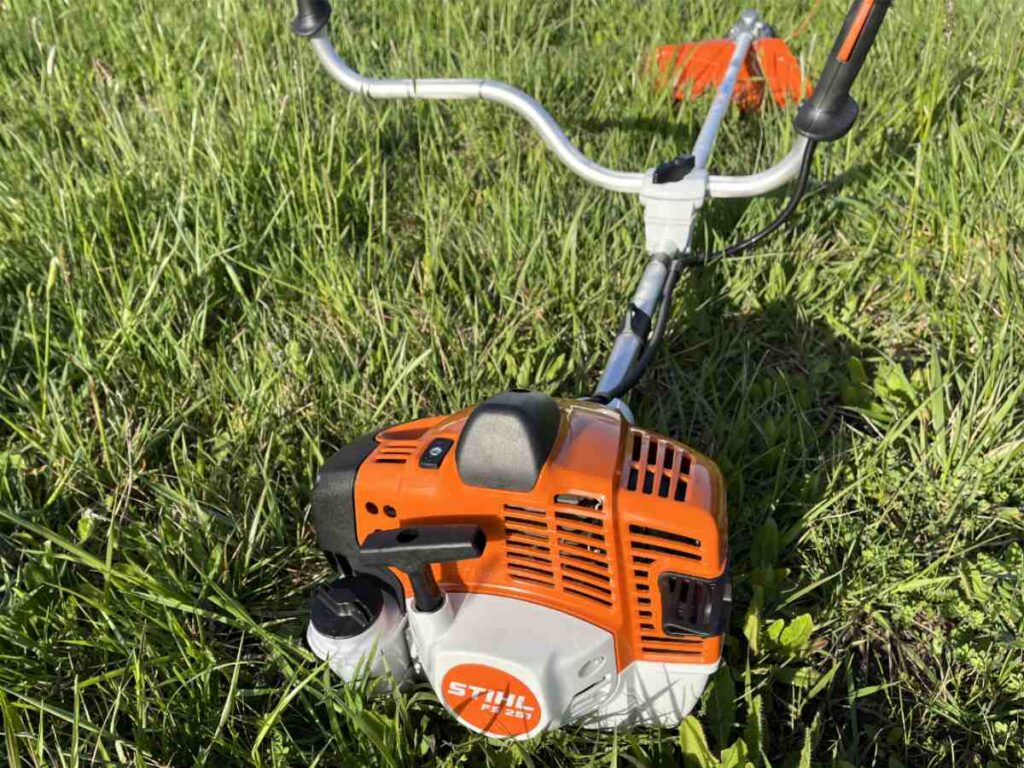
The Evolution of Power: Technical Comparison
| Feature | Stihl FS 200 (The Classic) | Stihl FS 240 (The Predecessor) | Stihl FS 251 (The Current Beast) |
| Engine Type | Standard 2-Stroke | 2-MIX (True 2-Stroke) | 2-MIX (True 2-Stroke) |
| Displacement | 36.3 cc | 37.7 cc | 41.6 cc |
| Power Output | 2.1 bhp | 2.3 bhp | 2.7 bhp |
| Air Filtration | Foam Filter | Pleated Paper | Pleated Paper |
| Starting System | Standard Pull | ElastoStart™ | ElastoStart™ |
Key Performance Insights from the Field
1. The Torque Profile
The 41.6cc engine is designed for low-end torque. When using a string head in tall, wet fescue, the FS 251 does not “bog” when the head gets wrapped with debris. It has the mechanical leverage to shred through material that would stall a 30cc unit. This is a significant jump in productivity from the older FS 200 and even provides a noticeable “grunt” advantage over the FS 240.
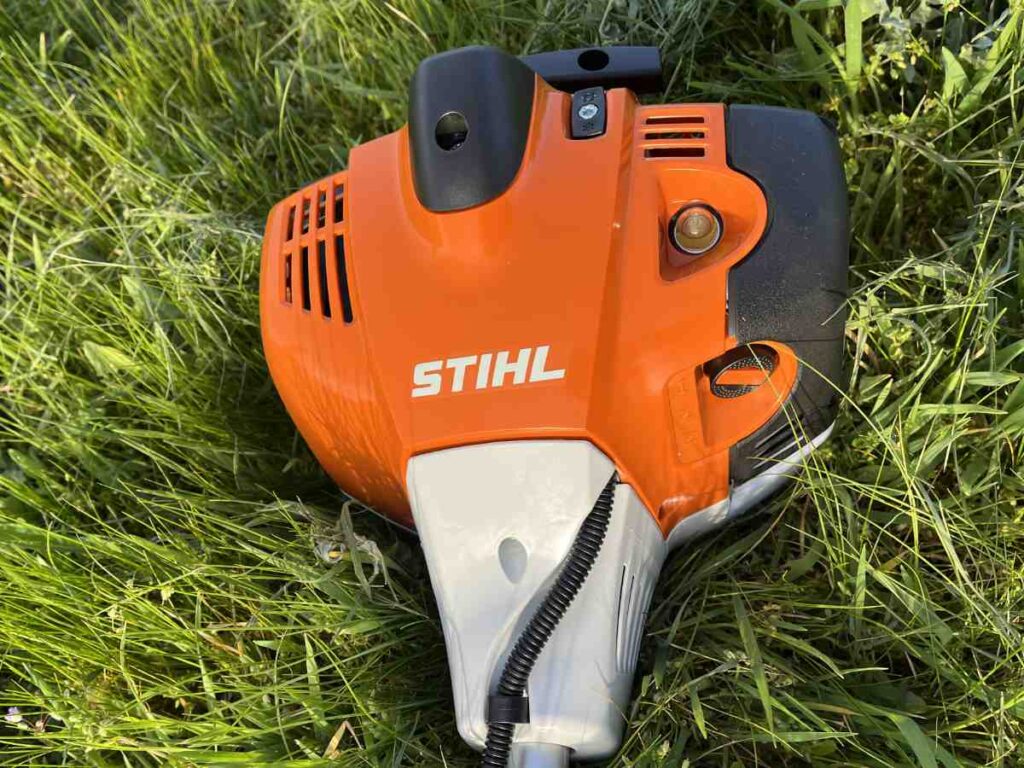
2. Starting Reliability with ElastoStart™
If you are used to the “jerk” of the older FS 200, the ElastoStart™ handle on the 251 will be a welcome change.
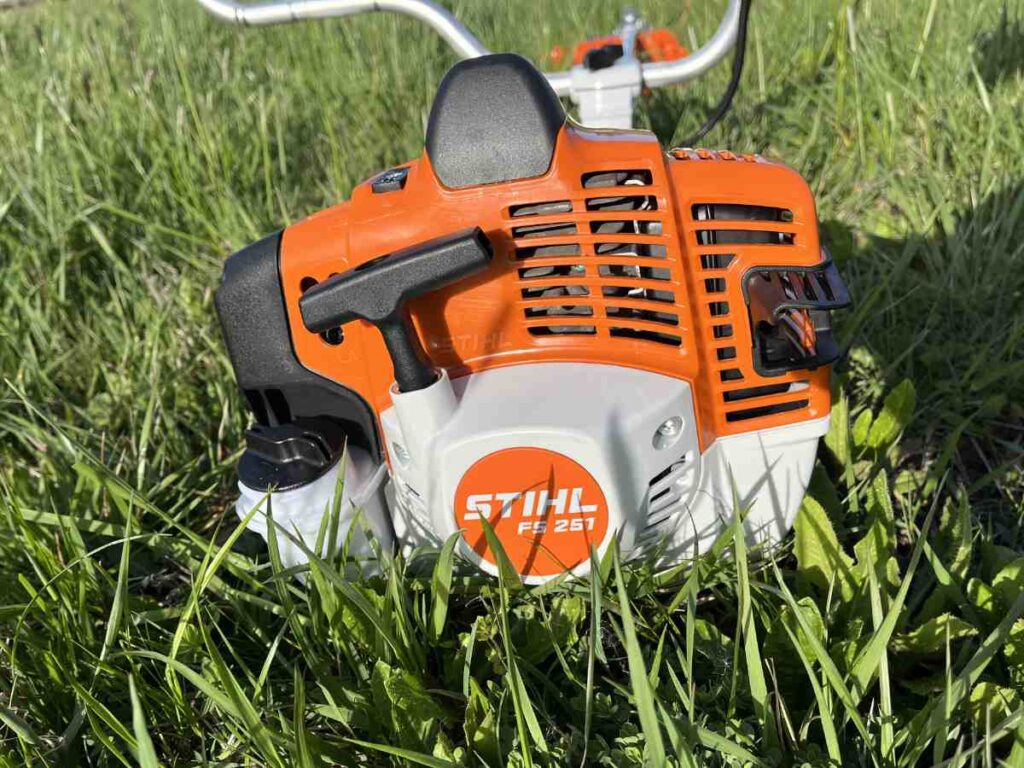
It features a built-in shock absorber in the pull-handle. This smooths out the compression stroke. This is a vital feature for a high-displacement engine. It prevents the jarring snap that often occurs during cold starts on cold mornings.
3. Ergonomics and Tool-Free Adjustments
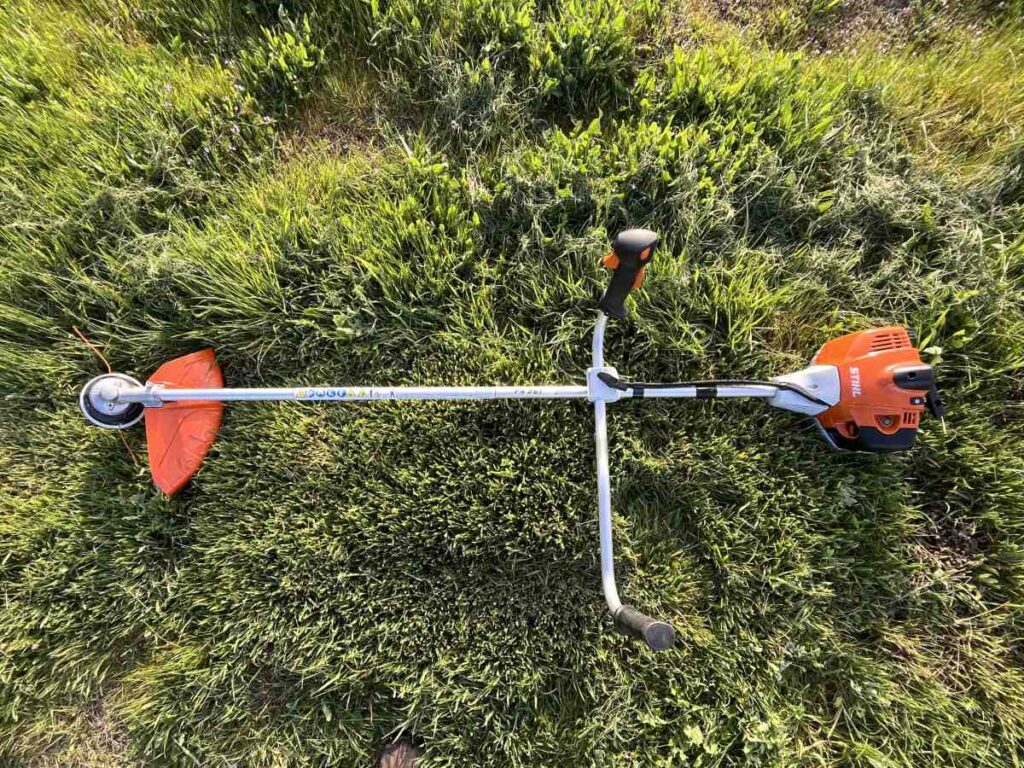
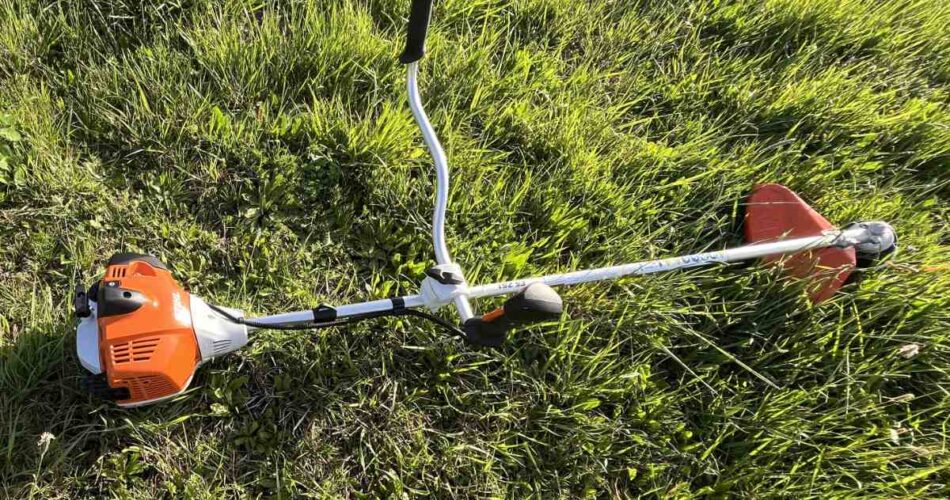
As seen in the photos, I am running the Bike Handle configuration. For open-field clearing, this is non-negotiable for operator comfort.
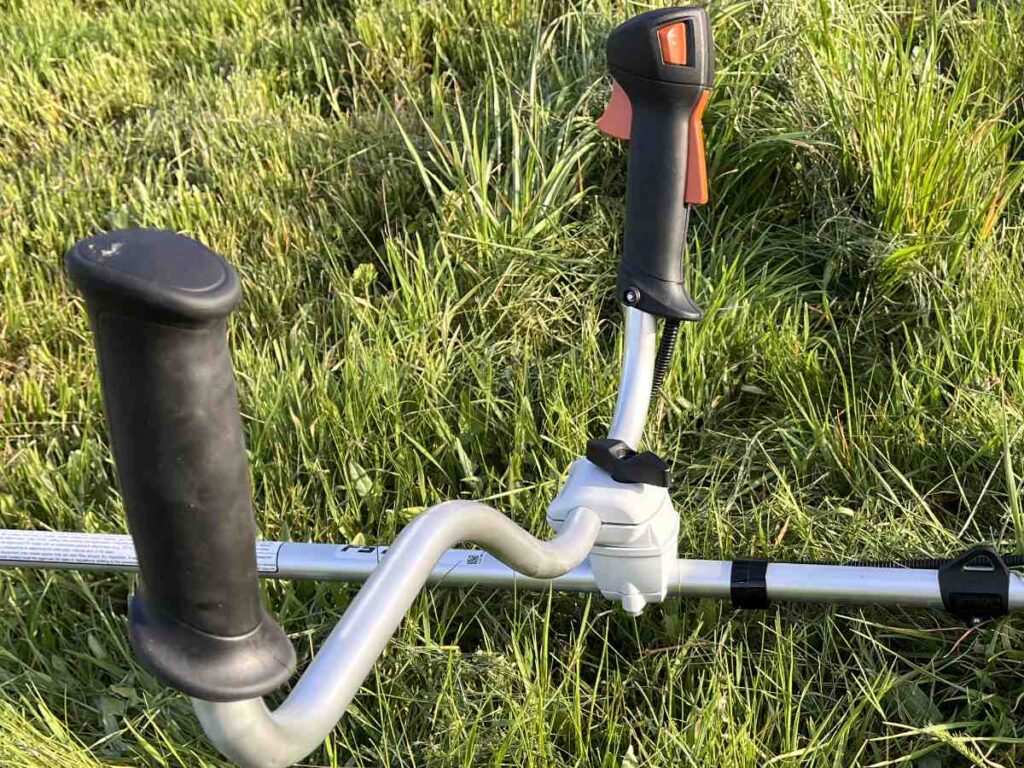
The central wing nut allows for tool-free handle adjustment. You can rotate the bars 90 degrees in seconds. This is a lifesaver for sliding the unit into a truck bed or a tight storage rack. It ensures the unit does not take up the entire floor space during transport.
Professional Maintenance and Components
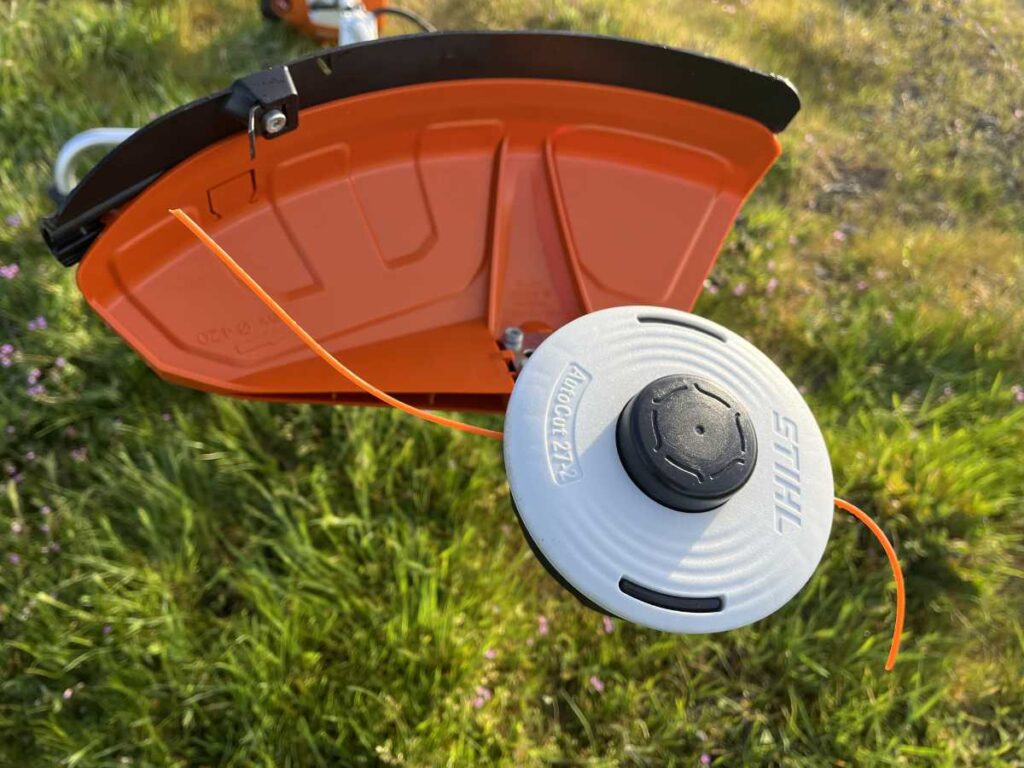
To maximize the life of your investment, I recommend focusing on two main areas:
- The Cutting Head: I run the AutoCut 27-2. While it is reliable, I suggest stepping up to .105 line if you are dealing with woody stalks. This takes full advantage of the engine’s torque.
- Air Filtration: The FS 251 uses a vertically pleated paper filter. Unlike foam filters, you should not soak this in cleaner. Simply tap it out to dislodge dust. If it appears black or oily, replace it immediately. This prevents the engine from running “rich” and losing power.
Final Verdict: A Business Decision
The move from the FS 200 to the FS 251 was not just about getting a newer tool. It was about upgrading to a system designed for the rigors of a professional workload. You are not just buying more displacement; you are gaining modern ergonomics and a filtration system that keeps you in the field longer. It is a “buy once, cry once” tool that has paid for itself through increased daily efficiency.