First impressions dictate everything in the service industry. When you meet a prospective client for the first time, they naturally place you into one of two mental categories: either they think you are desperate for work and doing them a favor, or they view you as a reliable professional worthy of mutual respect.
Establishing respect early sets the tone for your pricing, service boundaries, and long-term business relationship. From the initial phone call to stepping onto the property, conducting yourself with clear communication ensures you secure repeat business without getting taken advantage of or dealing with unpaid extra labor.
Setting Boundaries During the Initial Phone Call
Your first interaction with a client usually happens over the phone or through text messaging. How you handle this initial touchpoint determines whether the job will be a seamless transaction or an ongoing headache.
Keep the conversation focused and direct. Ask the customer exactly what tasks they need completed, explain your availability, and outline your standard rates upfront. Avoid going back and forth over endless text messages—get the core details immediately so both parties are aligned.
Be explicit about your service limits before arriving. If you have a minimum visit fee or standard hourly rate, state it early in the conversation. For example, explicitly telling a customer that you have a minimum charge prevents awkward price negotiations after you have already loaded equipment and driven to their site. Finally, stick to your schedule—arriving promptly at the agreed-upon time sets you apart from 90% of your local competitors.
Professional Appearance and Work Attire
When you drive up to a job site, the homeowner judges your overall presentation before you even step out of your vehicle and say hello. While you cannot always control the age or model of your work truck, you have total control over your personal presentation.
Showing up in worn-out, severely stained, or torn clothing sends the wrong signal to high-paying clients. While doing heavy yard cleanup, brush clearing, or string trimming inevitably gets you dirty, make an effort to schedule initial walkthroughs and estimates at the start of your workday when your work clothes are clean and presentable. Looking neat communicates that you run an organized, professional business.
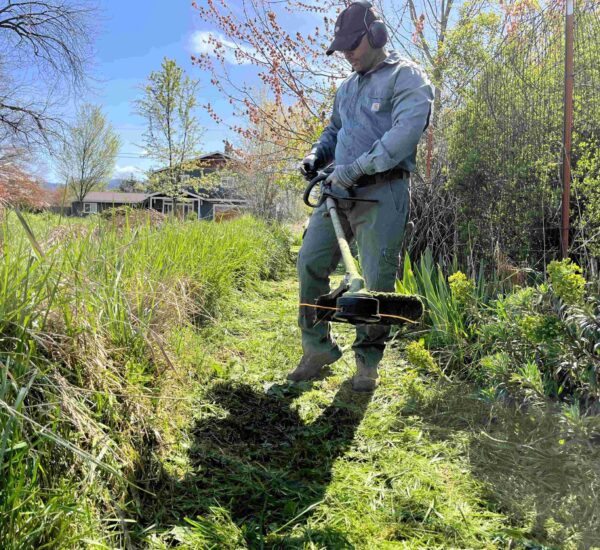
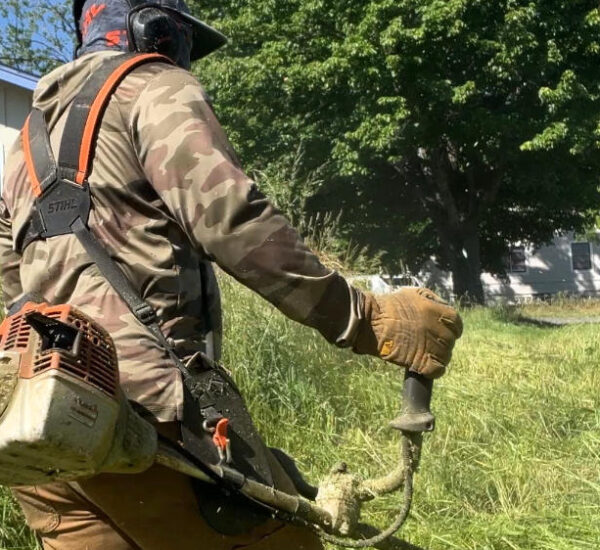
Proper work attire also serves a crucial dual purpose: personal protection and client confidence. Durable long-sleeve shirts, flexible work pants, ANSI-rated eye protection, leg gaiters, and sturdy footwear demonstrate that you operate with professional equipment and safety standards in mind.
On-Site Courtesy and Reading the Room
Once you arrive at the property, your body language and communication style determine how comfortable the homeowner feels having you on their land.
Walk up to the customer with confidence. Stand upright, make direct eye contact, and offer a firm, professional handshake. Acknowledge their property with a quick, genuine compliment before transitioning straight into discussing the scope of work. A simple opening statement like, “You have a great piece of property here, what specific areas are we focusing on today?” immediately steers the conversation toward business.
Keep in mind that clients are evaluating whether they trust you around their home. Keep all communication strictly professional and focused on the job at hand. Deal directly with the person who hired you, maintain proper boundaries, and avoid unnecessary or overly familiar chit-chat with other household members.
It is equally important to read the room when it comes to casual conversation. Some customers prefer brief updates, while others enjoy chatting. Acknowledge the client politely, keep small talk brief, and smoothly transition into your work routine. Your time on-site represents working hours—spending 30 minutes in unbilled casual conversation reduces your overall daily earnings and delays your schedule for subsequent accounts.
Managing Scope Creep and Protecting Your Time
One of the most common pitfalls for independent landscapers is falling into the trap of “scope creep”—performing small additional tasks for free in an effort to please a new client.
It is common for homeowners to ask for extra tasks once you are already on-site with your equipment running. When a customer asks you to trim an extra row of hedges, clear an additional fence line, or haul away extra yard waste, address the cost immediately before starting the extra labor.
A clear, polite response keeps expectations transparent:
“I’d be glad to take care of those extra hedges for you. Since that falls outside our initial estimate, I can add that onto today’s bill at my standard rate, or schedule a separate visit next week to give it full attention.”
Never feel guilty for billing fairly for extra work. When you respect your own time, physical labor, and machinery costs, your clients will respect your business as well.
Site Discipline and Long-Term Client Retention
Long-term accounts are built on consistent, reliable habits. While working on a client’s property, maintain basic site discipline:
- Avoid Distractions: Limit personal phone calls and text messages to designated breaks off the client’s direct line of sight.
- Maintain Professionalism: Avoid smoking, loud music, or leaving trash anywhere on the customer’s lawn.
- Work at a Sustainable Pace: Pace your physical exertion so you maintain quality workmanship without burning out early in the day.
Homeowners observe how service providers conduct themselves on their land. Demonstrating consistent work ethic, clear communication, and respect for their property turns simple one-time yard cleanups into steady, long-term customer relationships.