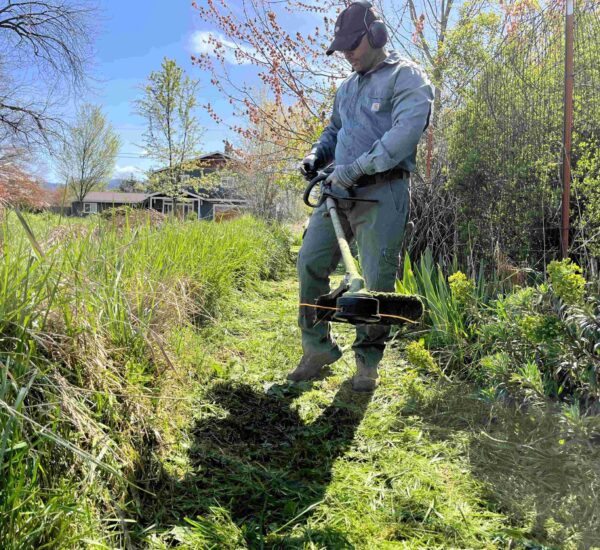
Starting a yard service business does not require a brand-new pickup truck, a fleet of commercial mowers, or thousands of dollars in startup capital. When I first got into this industry, I was starting with pretty much next to nothing. Over time, that simple yard maintenance setup grew into a steady, reliable operation, and it even pushed me into learning small engine repair to keep my own gear running smoothly without breaking the bank.
Whether you are looking to build a full-time business or just set up a profitable weekend side hustle, you can get off the ground using basic tools, smart local marketing, and a straightforward approach to pricing. You can build a successful yard service operation from scratch on a shoestring budget using a few core principles.
In the video above, I break down the initial setup, essential tools, and strategies that allowed me to get started without going into debt. Below is a complete guide walking through every step of the process.
Essential Starter Gear and Smart Equipment Choices
When you are starting with minimal funds, you have to be strategic about every dollar you spend. The goal is to buy equipment that yields the highest return on investment while handling the widest variety of tasks.
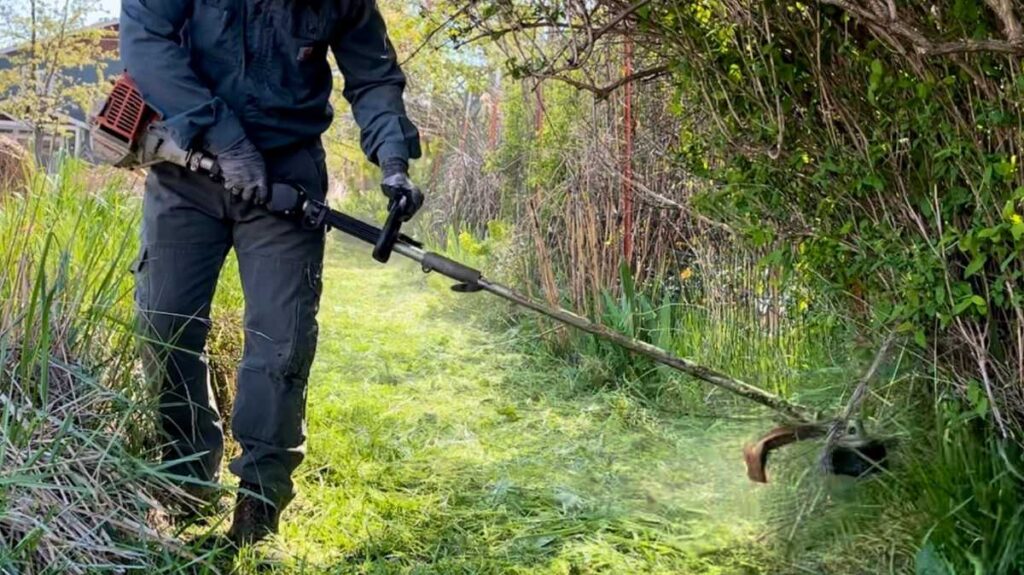
The Power of the Gas Split-Shaft Trimmer
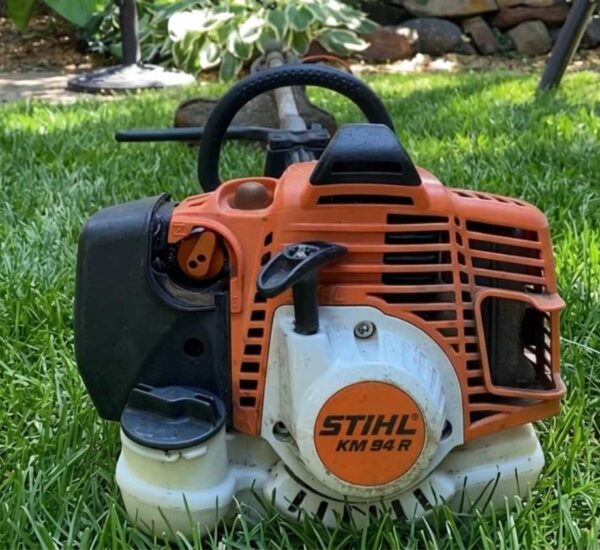
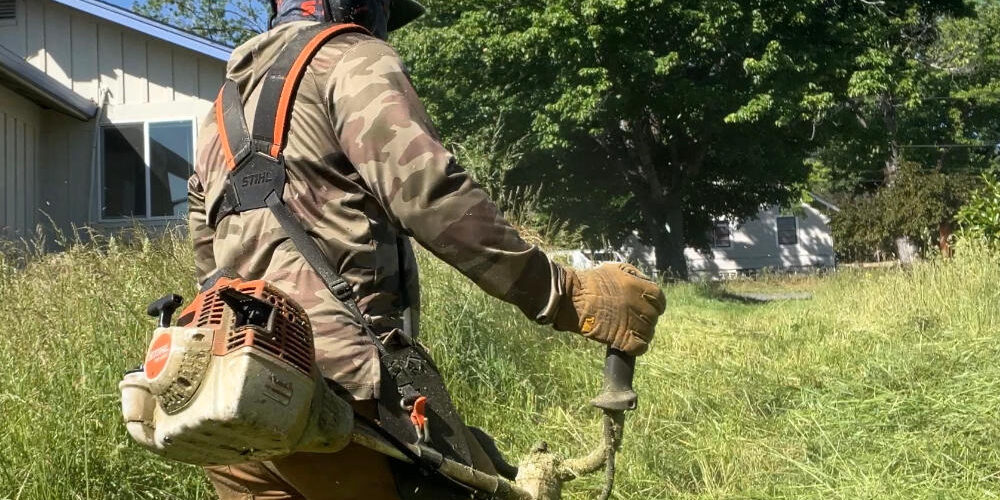
If you can only afford one primary power tool, make it a gas-powered split-shaft string trimmer. While battery technology is improving, gas engines remain the most practical choice for starting a business because they offer raw power, long runtime, and quick refueling. You never have to worry about running out of battery charge mid-job or waiting hours for a recharge on a busy afternoon. A split-shaft model allows you to detach the bottom end and swap in different attachments, such as a pole saw, hedge trimmer, or edger, using just one engine head. This saves significant trunk space and hundreds of dollars compared to buying standalone power units.
Must-Have Manual Tools
You do not need a massive rig to handle basic work, but you do need a few basic manual tools to leave every property looking clean. A solid shovel and rake are essential for bed cleanup, leaf removal, and clearing debris. Simple hand weeding tools work best for precision work in flower beds where a string trimmer might damage sensitive plants. A heavy-duty tarp or trash bags will help with hauling yard waste off-site.
Why Mowers Are Optional Early On
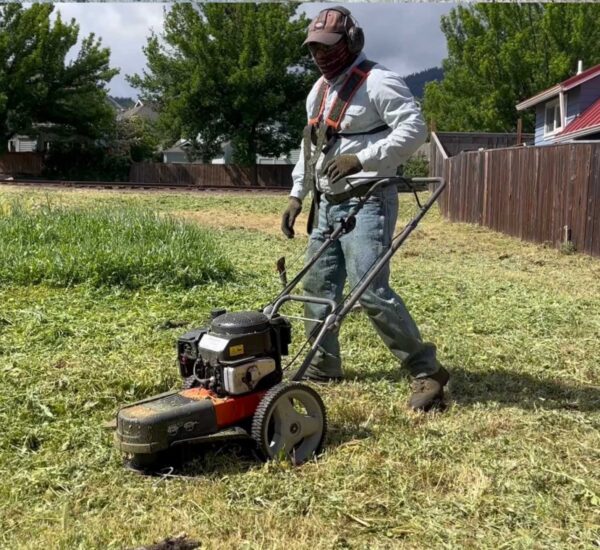
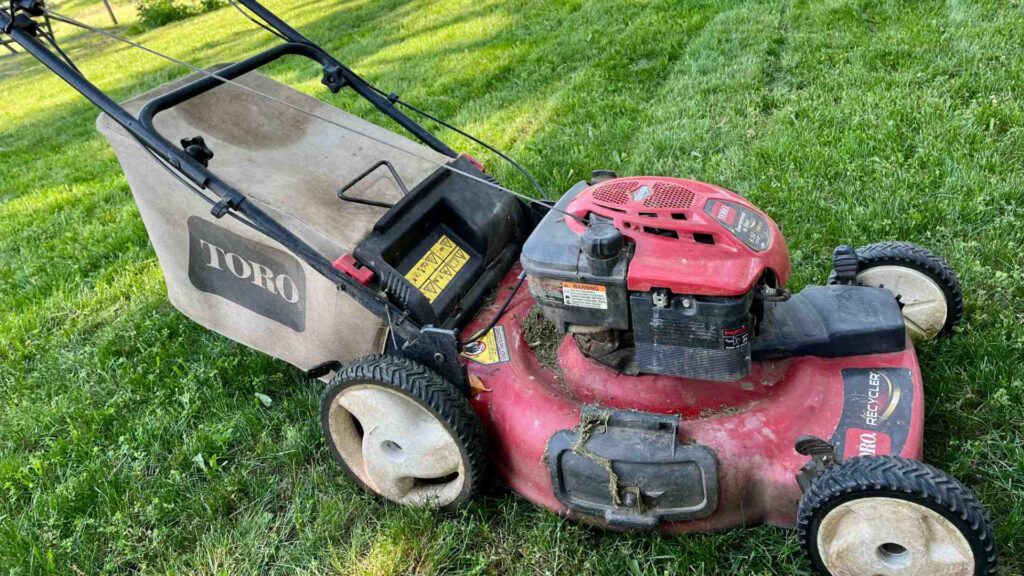
A lawnmower is actually optional when you first start out. While mowing lawns is a very lucrative path depending on your location and how efficiently you route your client list, it requires more transport space and a larger upfront investment. Starting off strictly with weed eating, trimming, bed clearing, and general yard cleanup allows you to launch immediately with minimal hassle.
Marketing Your Business to Local Clients
Having equipment is only half the battle, as you need paying clients to keep the business moving. Reaching local homeowners does not require expensive ad agencies or complicated marketing campaigns.
Using Craigslist for Local Leads
Craigslist remains one of the most effective local platforms for service providers. While posting used to be free, listing a service ad currently costs around five dollars in most regions. That small investment is well worth it, considering a single job will pay back that fee many times over.
Writing an Honest, Effective Ad
When writing your ad, keep your listing simple, direct, and honest. Clearly highlight the specific services you offer, such as property cleanups, overgrown yard clearing, string trimming, edging along fences, and shrub trimming.
Building Trust Through Transparency
When you are new, it is tempting to say yes to every task, but being upfront about your capabilities builds long-term trust. If a potential client asks for a complex job that you are not equipped or experienced enough to do safely, be straightforward and let them know it is outside your current scope. A large portion of residential yard service clients are seniors or homeowners who know exactly how the work should be done but simply want someone reliable to handle the physical labor. Being honest, punctual, and respectful goes further than having the newest gear on the block.
Pricing Strategies and Overhead Considerations
Setting your prices correctly is critical for long-term survival. If you price yourself too low, people may assume you do poor work, and you will struggle to cover your basic operating costs.
Why You Should Start With Hourly Rates
If you have limited experience estimating how long a job will take, charge an hourly rate. Working hourly protects you from underestimating labor on severely overgrown yards. Make sure your hourly rate covers your labor, fuel, consumables, tool maintenance, and time spent driving. As your experience, tool quality, and speed improve, your rate should increase to reflect the value, equipment investment, and efficiency you bring to the property.
Transitioning to Flat-Rate Quotes
Once you get a feel for how long specific lot sizes take, you can transition to flat-rate quotes. Quoting gives clients predictability and rewards you for getting faster and more efficient at your work. You can use your early hourly jobs as a benchmark to calculate fair, profitable quotes going forward.
If you want a complete, field-tested guide to pricing jobs, managing overhead, and building a profitable solo business from the ground up, pick up the Yard Money Field Guide.
Transportation Options and Equipment Security
You do not need a brand-new flatbed or a commercial trailer to run a yard business. You can use whatever vehicle you currently own and upgrade as your revenue grows.
Starting With Your Personal Vehicle
I started out hauling my weed whacker and gear in a compact SUV by simply folding down the rear seats. As long as your gear fits securely and you protect your interior from gas and debris, any hatchback, station wagon, or basic vehicle will work.
Protecting Your Tools From Theft
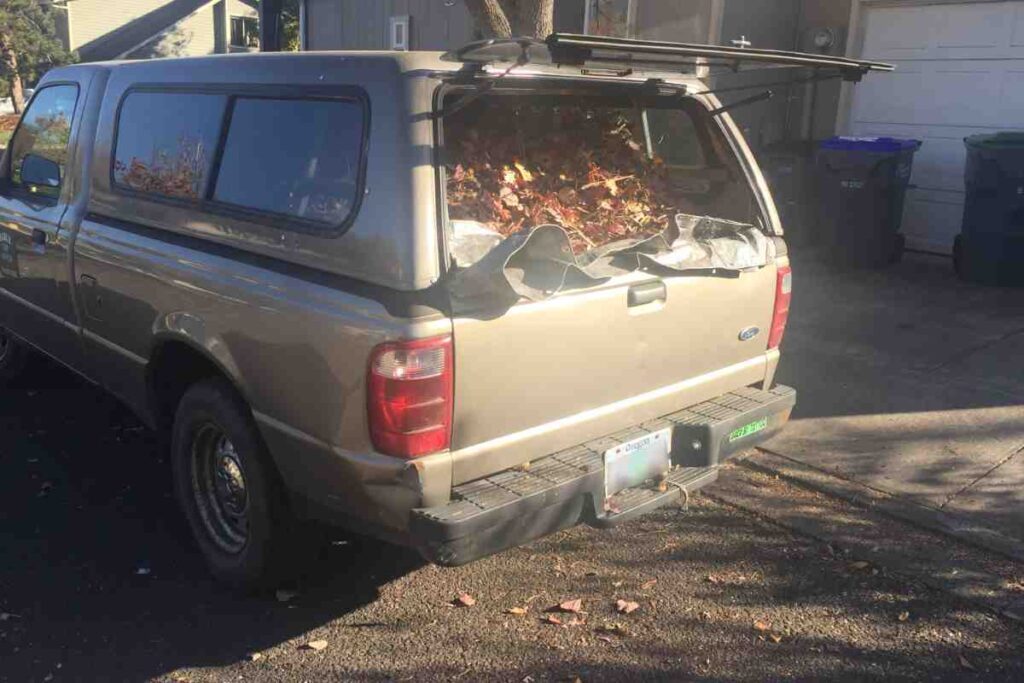
As you accumulate more tools, a pickup truck becomes the logical upgrade. However, open truck beds carry a major risk of tool theft. Lawn care equipment is a frequent target for theft while you are working in a backyard or running into a store. Investing in a lockable truck canopy keeps your tools out of sight and protected from weather. If a canopy is not in your budget right away, you can secure your gear using heavy-duty locking cables or keep equipment within direct line of sight while on job sites.
Building a Sustainable Business for the Long Term
Starting a yard service business with minimal capital is completely doable if you focus on the fundamentals. Buy versatile gear, market directly on local channels, price your labor fairly, and protect your investments.
Taking care of your equipment and learning how to service your own tools will keep your overhead low and ensure your business stays profitable for years to come. For the full roadmap on turning trade skills into long-term income, grab your copy of the guide below.