Maintaining a large property often requires a shed full of power tools. Storing individual tools takes up massive floor space. Furthermore, it doubles your maintenance routines. You must service multiple engines constantly. A split shaft kombi trimmer solves this problem easily. It combines one high-performance motor with quick-change attachments.
In this guide, we will examine how split shaft systems operate. We will break down their primary operational benefits. Additionally, we will evaluate popular attachment options. We will also discuss engine power selection. As a result, you can build a complete yard care kit without buying extra engines.
What is a Split Shaft Kombi Trimmer?
A split shaft kombi trimmer is a modular outdoor power tool. It features a main drive shaft that separates in the middle. A heavy-duty coupler locks the two halves together. The top half contains the engine and primary handle controls. Meanwhile, the bottom section holds the working tool attachment.
The core advantage lies in its quick-connect mechanism. An internal drive shaft engages securely inside the coupler. You can lock it tightly using a simple thumb screw. Consequently, operators can swap tools in seconds without using hand tools. A trimmer can transform instantly into a hedge cutter or pole saw.
Key Operational Benefits of Combi Systems
Unmatched versatility is the main reason landscapers choose combi systems. You carry one reliable engine unit to job sites. In addition, you pack a few compact attachments. This setup eliminates the headache of servicing multiple spark plugs. Therefore, you save significant maintenance time and money over time.
Storage efficiency provides another major practical advantage. Dedicated long tools are difficult to transport in standard vehicles. However, a split shaft system breaks down into two shorter sections. Each piece measures under four feet long. Thus, equipment stays protected and fits easily inside small trunks.
Long-term cost savings are equally impressive. Buying individual gas tools requires a large financial layout. In contrast, combi attachments are much cheaper than standalone tools. You only pay for the working head assembly. As a result, expanding your tool collection becomes far more affordable.
Essential Attachments and Their Practical Uses
The standard line trimmer attachment handles routine lawn trimming. It cuts grass efficiently around fence lines and flower beds. However, you can upgrade to a heavy brushcutter blade. This steel blade cuts through thick weeds easily. For instance, it slices right through dense briars without snapping.
Hedge trimmer attachments make quick work of tall shrubbery. Most models feature double-reciprocating blades for clean cuts. Furthermore, these heads rotate up to 135 degrees. You can trim the tops of tall bushes easily. You can also trim low ground cover without bending over.
Pole saw attachments add high-reach tree pruning to your arsenal. These heads feature an automatic oiling bar and chain. You can slice through thick tree branches from the ground. Therefore, you stay safe without using tall ladders. You can also add shaft extensions for extra vertical reach.
Lawn edgers and cultivators handle ground surface preparation. The edger uses a vertical steel blade for sharp lawn borders. Meanwhile, the cultivator attachment features rotating steel tines. It loosens topsoil quickly in garden beds. Additionally, it mixes compost into soil and removes weeds easily.
Choosing the Right Power Head and Components
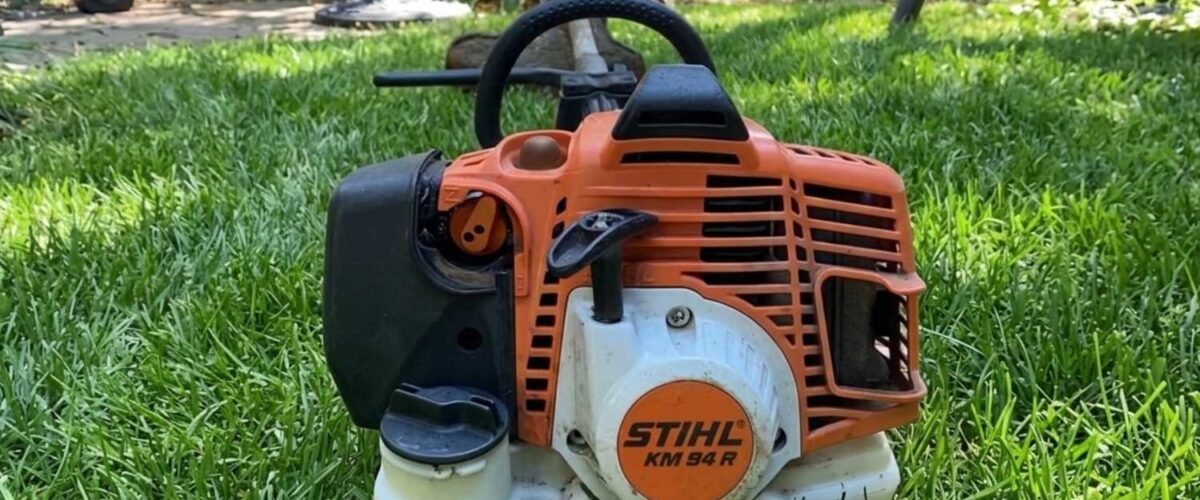
Engine displacement determines overall tool cutting performance. Small yards require engines between 21cc and 25cc. Alternatively, a 36V cordless battery system works great. However, heavy brush clearing requires more output. You should select a 28cc to 36cc power head for commercial workloads.
Shaft construction directly affects long-term equipment durability. Lightweight aluminum shafts work well for homeowner use. They keep total tool weight low during long sessions. Nevertheless, professionals need heavier components. You should choose thick steel drive shafts for severe daily duty cycles.
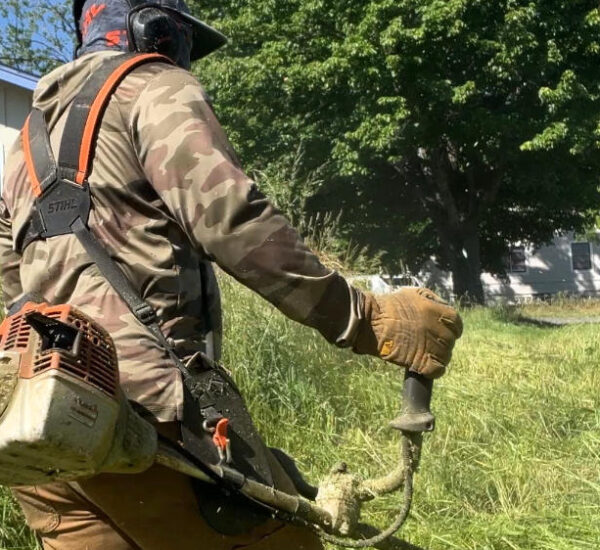
Ergonomics play a vital role in reducing operator fatigue. Look for power heads with rubber anti-vibration mounts. Adjustable loop handles also help balance the tool weight. In addition, always use a padded shoulder harness. A good harness redistributes unit weight away from your arms.
Safety Precautions and Maintenance Best Practices
Safe operation starts with proper protective equipment. Always wear wrap-around safety glasses and heavy gloves. Furthermore, wear ear protection and steel-toe boots. High-speed blades can kick up hidden rocks. Therefore, clear the work area of debris before starting the engine.
Pre-operation inspections prevent mechanical failures in the field. Check the center coupling joint before every use. Verify that the attachment sits fully seated and clamped tight. In addition, inspect all cutting blades for loose bolts. Clean out packed dirt from gearboxes regularly.
Routine maintenance keeps your equipment running smoothly every season. Gearheads require fresh lithium grease every 20 operating hours. Service the engine air filter regularly as well. Replace the spark plug annually for easy starting. Finally, add fuel stabilizer before storing the unit for winter.
Final Verdict
A split shaft kombi trimmer provides a smart solution for yard care. It offers professional versatility in a single package. You avoid storing multiple single-purpose engines. Therefore, choosing a quality power head ensures dependable service for all your land management projects.