If you have ever spent an entire weekend with a hand hoe trying to break up hard-packed soil or pull stubborn weeds, you already know how exhausting manual garden maintenance can be. Choosing the right outdoor power equipment is the quickest way to turn back-breaking labor into an efficient, enjoyable afternoon project. When it comes to preparing garden beds and keeping soil workable, two tools stand out above the rest: rototillers and cultivators. While they may look similar on the surface, using the wrong machine for the wrong job can leave you with broken tines, ruined plant roots, or an aching back.
In this comprehensive comparison, we will break down the practical differences between rototillers and cultivators, analyze their ideal garden sizes, examine depth and power performance, and look at how each handles real-world soil conditions. Whether you are cutting a brand-new plot into raw sod or simply maintaining raised beds for summer vegetables, understanding these distinction will help you invest in the right machinery for your specific yard layout.
What is a Rototiller? An In-Depth Overview

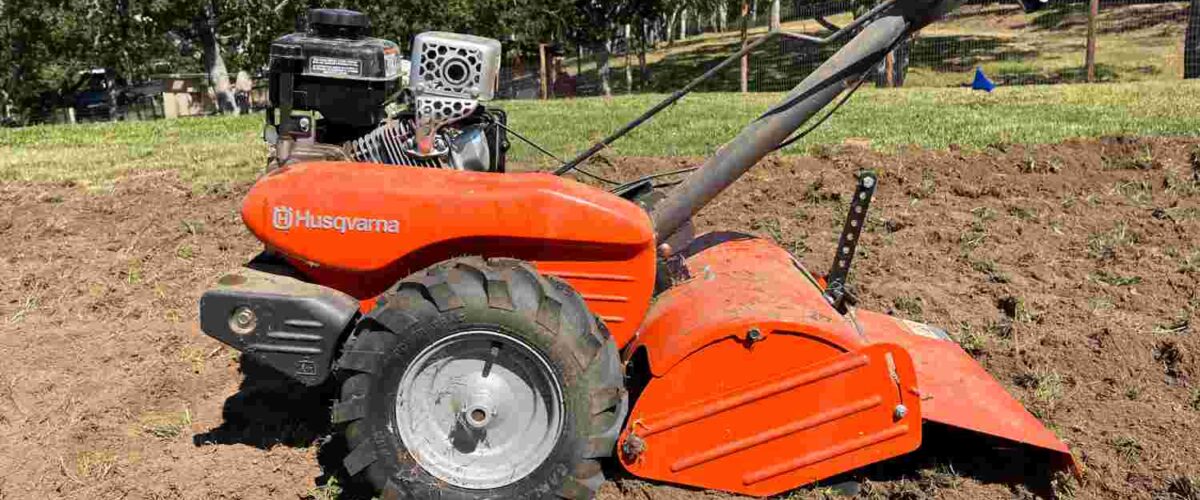
A rototiller is a heavy-duty power tool engineered specifically for breaking unworked ground, slicing through dense turf, and pulverizing hardpan dirt. Powered by high-torque electric motors or robust four-stroke gas engines, rototillers rely on heavy-gauge steel tines to churn deep into the earth. The weight of the machine works alongside the mechanical power to drive the tines downward, flipping thick layers of dirt over to mix amendments deep into the ground profile.
In practical application, rototillers shine when opening up new garden beds in early spring or mixing large volumes of manure, leaf mold, or topsoil across vast growing areas. Because of their sheer power, they handle rough terrain, clay-heavy soils, and root-filled ground far better than smaller tools. However, that power comes with increased physical weight and restricted maneuverability, making rototillers better suited for wide-open rows rather than tight landscaping borders.
Understanding Rototiller Configurations
When selecting a rototiller, gardeners generally choose between front-tine and rear-tine configurations. Front-tine tillers position their rotating blades directly beneath or in front of the engine, while the rear wheels provide propulsion. This style provides solid ground-breaking capacity while remaining relatively easy to pivot and store. Front-tine models work best in medium-sized garden plots with established soils that occasionally suffer from compaction over winter.
Rear-tine tillers represent the most powerful category of consumer lawn equipment. On these heavy machines, the drive wheels sit in front beneath the engine, while large counter-rotating or dual-rotating tines sit behind under a protective shield. Rear-tine tillers bite aggressively into undisturbed sod, rocks, and tough clay, allowing you to walk comfortably behind without pushing or straining against the machine. They are the ideal choice for homesteaders, farmers, or anyone establishing expansive plots over 500 square feet.
What is a Cultivator? An In-Depth Overview

A cultivator is a lightweight, highly nimble tool designed to work the top few inches of loose, previously established garden soil. Utilizing smaller two-stroke engines, battery packs, or corded electric power, cultivators feature shorter, closely spaced curved tines. Instead of ripping deep trenches into hard clay, a cultivator gently churns the surface soil layer, breaking up sun-baked crusts and slicing young weed seedlings off at root level.
Because cultivators weigh significantly less than rototillers, they offer incredible precision between narrow garden rows, near shallow-rooted perennials, and inside raised garden beds. They are ideal seasonal maintenance machines for blending composted fertilizer into topsoil, aerating dirt after heavy rainfalls, and preventing weeds from taking over during peak summer growing months without disturbing the delicate roots of your existing veggies.
Key Differences: Comparing Performance and Usability
Evaluating engine power and weight reveals clear differences in how these two tools handle in the field. Rototillers are heavy, wide-bodied units engineered to dig downward using maximum engine output, which requires deliberate effort to turn and steer. Cultivators feature compact frames that allow you to lift, guide, and navigate around delicate plant stems easily, making routine garden maintenance much less tiring on your shoulders and lower back.
Tilling depth and working width present another major distinction. A full-sized rototiller works through soil to depths of 8 to 10 inches and clears path widths between 14 and 24 inches per pass. In contrast, cultivators focus on shallow surface work down to 2 to 4 inches over narrow paths of 6 to 10 inches. This shallow operation keeps your garden bed aerated and weed-free while protecting subterranean earthworm channels and beneficial microbial networks deeper in the soil profile.
Task suitabilities also differ completely throughout the seasonal garden calendar. Rototillers excel during spring ground-breaking and autumn bed restoration when heavy organic material needs to be turned under for decomposition. Cultivators excel throughout the active summer growing season, serving as weekly maintenance tools that keep weeds suppressed and soil crusting minimized around standing crops.
Which Tool is Right for Your Yard?
Choosing between a rototiller and a cultivator comes down to analyzing your yard’s soil condition, bed size, and physical layout. If you are starting a garden from scratch over untouched lawn, managing heavy clay ground, or working in large open garden plots, a rototiller is an essential investment that eliminates hours of manual shovel labor.
If your garden beds are already established, constructed with loose topsoil mixtures, built in elevated frames, or arranged with narrow walking paths, a cultivator offers all the working power you need. It provides easy storage, minimal setup time, and low physical strain, making routine weeding and aeration simple throughout the season.
Essential Safety and Maintenance Practices
Safe operation requires proper preparation before pulling the starter cord or turning on the motor switch. Always wear wrap-around safety glasses, sturdy work gloves, and heavy steel-toe footwear when running tillers or cultivators. High-speed tines can easily kick up hidden stones, wood fragments, or buried debris. Additionally, call local utility locator services before breaking ground on new plots to ensure you do not strike buried electrical lines, water pipes, or gas conduits.
Operating conditions directly impact both soil health and machine longevity. Avoid using rototillers or cultivators on soaked, overly muddy dirt. Working wet ground destroys natural soil structure, creating dense dirt clods that dry hard like concrete and block plant root expansion. Wait until the soil crumbles easily in your hand before clearing weeds or tilling beds.
Consistent maintenance keeps your equipment running smoothly season after season. Clear away wrapped roots, long grass, and caked mud from around the tine shaft after every working session to protect mechanical drive seals. Check oil levels regularly on gas engines, inspect air filters for dust accumulation, use fresh fuel with stabilizer added, and verify that tine retention pins remain tight to ensure reliable performance every time you step into the garden.
Final Verdict
Both rototillers and cultivators serve valuable roles in effective soil management. A powerful rototiller handles the heavy ground-breaking work needed to establish healthy beds, while a lightweight cultivator provides quick control to keep those beds aerated, loose, and weed-free. Choosing the tool that matches your specific garden size and soil needs ensures an efficient workflow and healthier plants all season long.